Call 01246 529014 Email sales@cbeplus.com

FABRICATION

WELDING

LASER CUTTING

press brake

TURRET PUNCHING

INSERTS

SAWING

wELDING

Welding is an essential part of many industries, with different welding techniques used depending on the material, application and finish required. At CBE+, we offer a range of welding processes to meet different project requirements, from precision engineering to heavy-duty fabrication.
Each welding method has its own advantages and is suited to particular tasks. Below is an overview of the four main types of welding.

TIG WELDING

TIG (Tungsten Inert Gas) welding is a precise welding process that uses a non-consumable tungsten electrode to create an electric arc. A filler rod can be added manually, while shielding gas, usually argon, protects the weld from contamination.
TIG welding is known for producing clean, strong and high-quality welds with an excellent finish. It offers precise control over heat input, making it particularly suitable for thin materials and projects where appearance and accuracy are important.

Common applications:

  • Stainless steel fabrication

  • Aluminium and aluminium alloys

  • Thin carbon steel

  • Aerospace components

  • Food and beverage pipework

  • Automotive fabrication

Key benefits:

  • High-quality, clean welds

  • Excellent precision and heat control

  • Minimal spatter

  • Ideal for thin materials

  • Smooth and attractive finish

TIG welding does require a high level of skill and is generally slower than other welding methods. It is also less suitable for dirty, rusty or contaminated surfaces.

MIG WELDING

MIG (Metal Inert Gas) welding is a semi-automatic process that uses a continuously fed wire electrode and shielding gas to create strong, consistent welds. It is widely used due to its speed, efficiency and versatility.

MIG welding is suitable for a variety of materials, including mild steel, stainless steel and aluminium. Its high productivity makes it particularly useful for larger fabrication projects and applications requiring long, continuous welds.

Common applications:

  • General metal fabrication

  • Automotive manufacturing

  • Structural steelwork

  • Shipbuilding

  • Workshop production

  • Industrial manufacturing

Key benefits:

  • Fast and efficient welding

  • Consistent weld quality

  • Suitable for a wide range of materials

  • Ideal for long weld runs

  • Easier to learn than TIG welding

Although MIG welding is highly productive, it is less precise than TIG welding and can produce more spatter. The use of shielding gas also makes it less suitable for exposed outdoor environments where wind can disrupt the gas protection.

STICK WELDING

Stick welding, also known as Shielded Metal Arc Welding (SMAW), uses a flux-coated consumable electrode to create an electric arc and join metal components. The flux produces protective gases and slag during welding, removing the need for an external shielding gas.

This process is particularly suited to heavy-duty applications, construction and repair work, as it can be used in challenging environments and on certain less-than-perfect metal surfaces.

Common applications:

  • Construction and structural steelwork

  • Industrial maintenance

  • Equipment repairs

  • Heavy fabrication

  • Carbon steel welding

  • Low-alloy steel components

Key benefits:

  • Portable and straightforward equipment

  • Suitable for outdoor environments

  • No external shielding gas required

  • Effective on some rusty or dirty surfaces

  • Strong weld penetration

Stick welding is a reliable and versatile process, although it is generally slower than MIG welding. Electrodes need to be replaced regularly, and the slag produced during welding must be removed, which can increase finishing time.

LASER WELDING

Laser welding is a high-precision process that uses a concentrated laser beam to fuse metal components together. It is often automated or integrated with robotic systems, allowing for fast, accurate and repeatable results.

The concentrated heat source creates a small heat-affected zone, helping to minimise distortion and maintain the integrity of surrounding materials. Laser welding is particularly useful for applications requiring precision, consistency and high production volumes.

Common applications:

  • Automotive manufacturing

  • Medical device production

  • Electronics

  • Aerospace components

  • Stainless steel fabrication

  • Precision engineering

Key benefits:

  • High welding speeds

  • Excellent precision

  • Minimal heat distortion

  • Consistent, repeatable results

  • Suitable for automation

  • Clean weld finishes

Laser welding does have some limitations, including high equipment costs, the need for accurate joint preparation and reduced tolerance for gaps between components. It can also be restricted by material thickness and the specific requirements of the application.

cHOOSING THE RIGHT TYPE OF WELDING

Selecting the right welding technique depends on several factors, including the type of material, component thickness, required finish, production volume and working environment.
At CBE+, understanding these differences helps ensure that the appropriate welding process is used for each application, with consideration given to quality, efficiency, durability and the finished product’s requirements.
Whether a project requires the precision of TIG welding, the productivity of MIG welding, the versatility of Stick welding or the accuracy of Laser welding, each process offers distinct capabilities for different industrial and fabrication needs.

lASER CUTTING

At CBE+, we use the Amada Ventis 3015 Auto-Loading Fibre Laser to deliver high-precision cutting, exceptional edge quality and efficient turnaround times. This advanced technology allows us to produce complex components to exact specifications, meeting the demands of a wide range of industries and applications.

Featuring Amada’s innovative LBC (Locus Beam Control) technology, the Ventis delivers accurate, clean cuts across a variety of materials, including stainless steel, mild steel, aluminium, brass and copper, with minimal burrs and reduced need for secondary finishing.

The integrated automated loading system enables us to handle high-volume production efficiently, reducing downtime, improving productivity and helping us meet demanding delivery schedules without compromising on quality.

Accreditations

ISO 9001:2015

Machine Capabilities
  • Wide range of materials: Precision cutting of stainless steel, mild steel, aluminium, brass and copper.

  • Large sheet capacity: Optimised for standard sheet sizes of 3000 mm × 1500 mm.

  • Automated loading: Efficient material handling for consistent, high-volume production.

  • Advanced laser technology: LBC beam modulation for intricate designs, clean edges and reduced dross.

  • Improved efficiency: Minimised downtime and reduced requirements for secondary finishing.

  •  
Precision Laser Cutting at CBE+

Whether you require intricate components, bespoke fabrication or high-volume production, our Amada Ventis fibre laser allows us to deliver accuracy, consistency and quality across every project.

PRESS BRAKE & ROBOTIC BENDING

At CBE+, we invest in advanced bending and folding technology to deliver precision, consistency and efficiency across a wide range of components. Our modern Amada press brakes and automated robotic folding systems allow us to manufacture both simple and complex parts to exact specifications, while maintaining high standards of quality and reliable lead times.

PRESS BRAKE

As part of our ongoing investment in advanced manufacturing, CBE+ operates two 3-metre Amada HFP press brakes, featuring Amada’s innovative One-Stroke Tooling system. This technology allows multiple tooling styles to be set up on a single machine, enabling complex components to be folded through multiple bends in one operation.

With advanced offline programming, our operators have access to accurate setup information and bending data before production begins. This reduces setup and changeover times, minimises material handling and helps ensure consistent results across every component.

Key benefits:

  • 3-metre bending capacity

  • Innovative Amada One-Stroke Tooling system

  • Multiple tool configurations for complex components

  • Offline programming for efficient setup

  • Reduced changeover times and material handling

  • Improved accuracy and consistent product quality

  • Increased productivity and reliable delivery times

ROBOTIC FOLDING

Our automated Amada Astro robotic folding system takes precision bending to the next level by fully automating the folding process. Designed for both simple and highly complex components, the Astro combines high-speed robotics with intelligent programming to deliver consistent, repeatable results and efficient production.

With a 20 kg payload and the ability to manipulate sheets up to 1800 mm × 800 mm, the system is designed for flexible, high-speed forming. Its dual-robot configuration allows folding and material loading and unloading to take place simultaneously, helping to minimise cycle times and maximise production efficiency.

Key benefits:

  • High-speed dual-robot system for faster cycle times

  • Fully automated folding, loading and unloading

  • Offline programming, eliminating the need for manual robot teaching

  • Advanced tool navigation for rapid machine setup

  • Flexible loading and unloading configurations

  • Suitable for simple and highly complex components

  • Simultaneous bending, loading and unloading

  • Up to 50% lower power consumption and 60% less oil

Advanced Bending Solutions at CBE+

Through continued investment in advanced Amada technology, CBE+ combines precision press brake operations with automated robotic folding to manufacture high-quality components efficiently and consistently.
Our bending capabilities allow us to handle a variety of component designs, reduce production times and minimise manual handling, helping us maintain quality throughout the manufacturing process.

TURRET PUNCHING

Tool Maintenance with the Amada TOGU

Maintaining punching tools in optimum condition is essential for achieving consistent part quality, maximising tool life and reducing production downtime.

The Amada TOGU automatic tool grinder is purpose-built for high-quality grinding of sheet metal tooling, providing a fast and reliable solution for keeping tools performing at their best.

KEY BENEFITS
  • Unmanned operation for efficient, consistent tool maintenance
  • Fast, reliable grinding of standard punching tools
  • Restores tooling to optimum condition, helping maintain high-quality parts
  • Regular regrinding extends tool life and reduces tooling costs
  • Improved productivity through reduced manual maintenance

CBE+ EM Series Turret Punch Press

The Amada EM Series combines advanced punching technology with high-speed, reliable production. Featuring twin direct-drive AC servo motors, the machine delivers exceptional performance while reducing operating costs and simplifying production processes.

Designed for modern, highly automated manufacturing, the EM Series provides the flexibility and precision required for demanding sheet metal applications.

DOWNLOADS

Amada EM2510 NT Punch.pdf

KEY BENEFITS
  • Scratch-free processing with a floating brush table
  • High-speed punching and marking for increased productivity
  • Advanced forming capabilities to reduce secondary operations
  • Reliable, energy-efficient operation with direct-drive technology
  • Advanced automation enables efficient “lights-out” production
  • Improved process efficiency with reduced handling and operator intervention

INSERTS / BUSHING

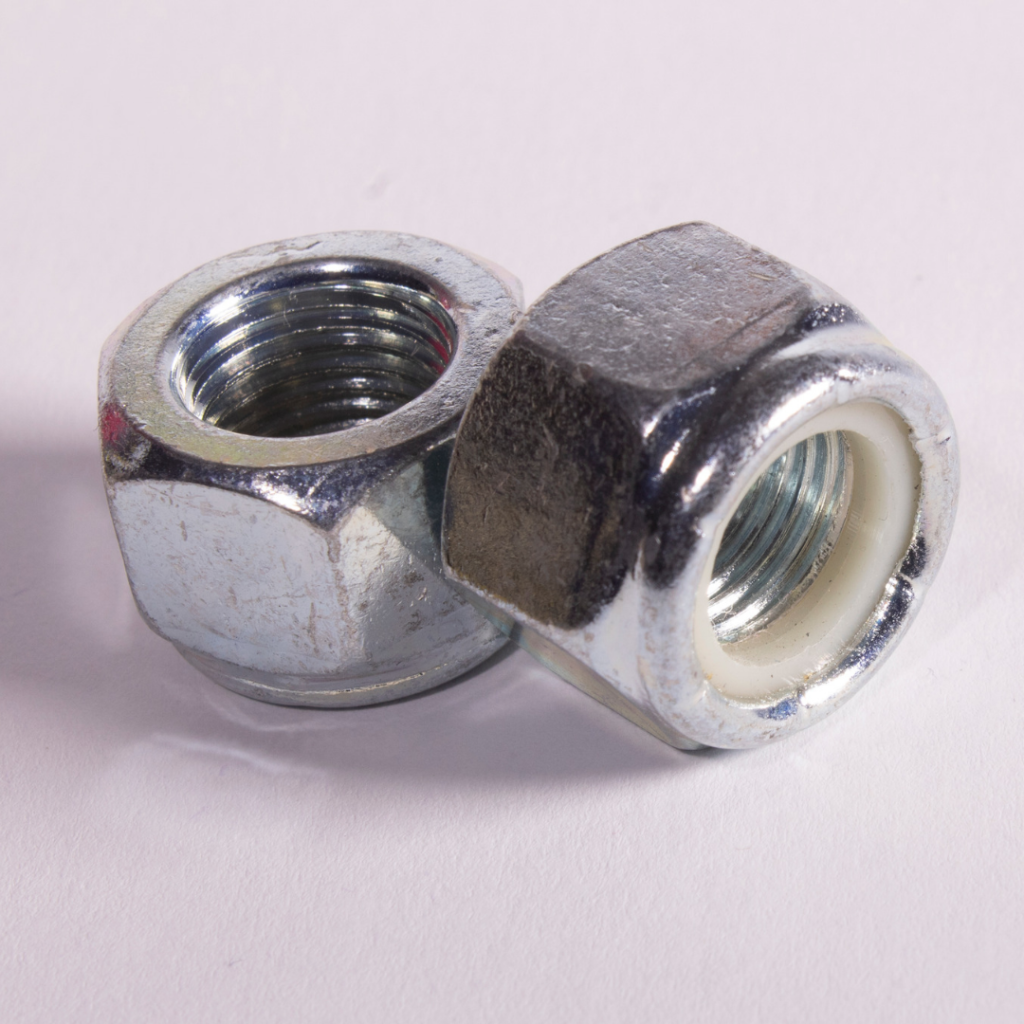
Inserting may appear to be a straightforward operation, but at CBE+, we recognise that accuracy and consistency are critical to the quality of the finished product.

Our skilled operators use modern, digitally controlled equipment to accurately monitor both the number of sheet metal inserts used and the total quantity of products produced.

This ensures complete traceability and, most importantly, 100% insert placement, 100% of the time.

By combining skilled operators with effective production monitoring, we eliminate missed inserts, prevent costly delays and minimise the risk of additional processing or rework.

The result: consistent quality, reliable production and confidence that every component is manufactured correctly first time.

SAWING / CUTTING

We use specialist software to control our turning process, ensuring precision and attention to even the smallest detail.

Using the latest tooling and backup from major manufacturers, we can deliver cost savings while still producing tight tolerance, high quality products.

Our approach to investment in new equipment focuses on the quality of the machine tool, we deal extensively with high quality suppliers including Okuma and Mazak to ensure we have the confidence to deliver superior subcontract manufacturing service to our customers.